Dead Man’s Wire
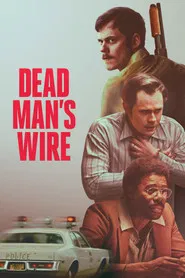
Dead Man’s Wire
Genre: Crime, DramaCountry: United States, Israel, Belgium, Cyprus, Germany
Director: Gus Van Sant Cast: Bill Skarsgård, Colman Domingo, Al Pacino, Dacre Montgomery, Myha’la, Cary Elwes, Kelly Lynch, Jordan Claire Robbins, John Robinson, Katie Kinman, Mark Helms, Kyle Rankin, Vinh Nguyen, Stephanie BertoniDead Man’s Wire explores a unique hostage crisis in American history. It turns a strange real life event into a gripping drama. The film recreates the 1977 Indianapolis standoff with Tony Kiritsis. It shows a tense media event that played out live on TV.
It doesn’t sensationalize the event. Instead, it centers on a man’s mental breakdown as he feels like a victim of systemic injustice.
The story unfolds during the late 1970s, a time of economic worry. Public trust in institutions was low, and media coverage was changing fast. By placing the crisis in its cultural context, Dead Man’s Wire goes beyond simple reenactment.
It explores characters facing grief and desperation. Their struggles show the risky blend of spectacle and instability. The film handles this topic with care. It seeks to inform, not to exploit.
How the Story Unfolds
The narrative opens with mounting financial pressure on Tony Kiritsis. He feels that corrupt real estate practices have ruined his life. Frustrated, he makes a shocking choice. He kidnaps a mortgage broker and sets up a shotgun with a “dead man’s wire.”
This means any quick movement could lead to deadly results. This chilling contraption symbolizes the volatile tension of the situation.
The film mainly unfolds in tight spots—a small office that becomes a pressure chamber. Negotiators reason with Kiritsis. Meanwhile, journalists share the crisis with an eager public. The script shifts between the tense standoff and the outside world.
Crowds gather, and officials hurry to find a peaceful solution. With each hour, the mental strain grows. This builds to a peak. It’s not from physical fights. Instead, it comes from emotional fatigue and waiting carefully.
Acting & Characters
The central performance is key to the film’s effectiveness. The actor playing Tony Kiritsis shows a mix of righteous anger and visible fragility. He doesn’t use caricature. Instead, he shows a man whose paranoia meets moments of vulnerability.
Through subtle facial shifts and unpredictable vocal tones, the character feels disturbingly human.
The hostage, often sidelined in similar stories, is given depth and quiet resilience. He performs carefully. He fears being linked to someone else’s instability. This instability could be physical or mental.
Supporting characters—including negotiators, law enforcement, and media figures—are drawn with realism. They are both participants and observers. This shows the complex machinery needed to handle such crises. If you want to watch Horror, action and thriller movie Kraken is best one on Putlocker upcoming movies.
Action & Dance
Though the film lacks typical action scenes, its suspense is unyielding. The tension comes from the ever present threat of the “wire” mechanism. Even minor gestures—a sip of water, a shift in posture—carry life or death stakes. This awareness shifts stillness into action. Viewers expect disaster with every movement.
There is, metaphorically, a choreography at play. Negotiation becomes a delicate dance of words, where every phrase must be measured. The hostage and captor creep carefully in the small office. The tight space forces them close together, held by the shotgun’s taut string. This dance of survival highlights how fragile the situation is. It shows that suspense can be gripping without needing grand displays.
Visuals & Film making
Visually, Dead Man’s Wire embraces a muted palette that reflects its era. Earth tones and grainy cinematography evoke late 1970s journalism. The camera often uses close framing, enhancing the claustrophobic feel within the office. These close shots heighten the feeling of being trapped for both the hostage and the captor.
The film’s editing rhythm matches the shifting tension. Long, unbroken takes let performances shine. Quick cuts to busy newsrooms and crowds expand the story. The contrast between private crisis and public spectacle is visually striking. Production design brings the past to life. It features rotary phones and analog broadcast gear. This detail immerses viewers in a pre digital media world.
Main Messages & Series Connections
At its core, Dead Man’s Wire examines themes of alienation and perceived injustice. It shows how personal grievances, when unchecked, can lead to destructive actions. The film doesn’t justify Kiritsis’s actions. Instead, it looks at the social factors that led to his radicalization. This raises tough questions about institutional accountability and individual responsibility.
The film isn’t part of a franchise, but it follows a tradition of true crime dramas. It emphasizes psychological depth instead of sensationalism. Its look at media influence resonates with audiences used to 24 hour news cycles. The film revisits a case that once captivated the country. It shows how stories can mix public spectacle with personal tragedy. If you want to watch Crime, Thriller movie Crime 101 is best one on Putlocker upcoming movies.
Public Reaction
Audience responses have largely been shaped by the film’s nuanced approach. Viewers often praise the show for its complexity. They highlight the strong performances and rich historical details. Critics point out that the script doesn’t simplify a complex character into a flat villain.
However, some viewers seeking action may find the film’s pacing slow. Focusing on dialogue and psychological tension might limit its appeal. Dead Man’s Wire is a great choice for fans of character driven drama. It offers a gripping and thought provoking experience.
Best Parts
One of the film’s strengths is its unflinching intimacy. By confining much of the story to one location, the emotional stakes intensify. The audience feels the pressure alongside the characters, increasing empathy and anxiety.
Another highlight is its historical authenticity. From wardrobe choices to broadcast styles, the film convincingly transports viewers to 1977. This focus on detail boosts credibility. It also strengthens the impact of the true events that inspired the story.
Where It Falls Short
Despite its strengths, Dead Man’s Wire risks monotony due to its confined setting. This approach fits the theme, but considering more external perspectives could add variety. It wouldn’t reduce the tension.
Additionally, some secondary characters lack development. Expanding their personal stakes could have enriched the narrative and deepened emotional impact. However, these limitations do not overshadow the film’s overall effectiveness.
My Final Thoughts
Dead Man’s Wire is a sober look at a sensational moment in American history. True crime cinema can go beyond exploitation. It does this by focusing on psychological insight and context. The film has a steady tone. Strong performances anchor its view of desperation and spectacle.
This film gives a great experience. It’s perfect for viewers who like intimate dramas based on true events. Its tension doesn’t stem from explosive action. Instead, it arises from human volatility. This reminds audiences that unsettling stories often happen in tight spaces. Dead Man’s Wire is thoughtful and well crafted. It leaves a lasting impression even after the credits roll.
Overall Rating
Dead Man’s Wire balances historical accuracy, strong performances, and suspense. It earns a solid score.
PutLocker Rating: 8.4/10
Its pacing may not suit everyone, but its clear story and deep themes make it shine in true crime.