Attack on Titan
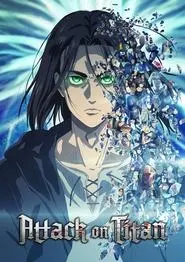
Attack on Titan
Genre: Animation, Sci-Fi & Fantasy, Action & AdventureCountry: Japan
Director: Dan Trachtenberg Cast: Yuki Kaji, Yui Ishikawa, Marina Inoue, Kisho Taniyama, Hiro Shimono, Yoshimasa Hosoya, Takehito Koyasu, Ayane Sakura, Natsuki Hanae,Few modern anime have changed how people view the medium like Attack on Titan. The series is based on Hajime Isayama’s manga. It started in 2013 and quickly crossed genre boundaries. What began as a dark story of humans fighting giant monsters changed. It became a deep political tragedy. It’s full of philosophical themes and moral complexity.
From the start, the series creates a tone of constant tension. Humanity lives in massive walled cities, safe from giant humanoid creatures called Titans. The world feels cramped, hopeless, and militarised.
Yet beneath this bleakness is a rich story about power, freedom, history, and inherited conflict. This layered storytelling makes the series stand out from typical action driven anime. It is one of the most ambitious works in modern animation.
How the Story Unfolds
The story starts with a huge breach in humanity’s outer wall. This event breaks the fragile sense of safety. Eren Yeager is at the heart of this chaos. His life changes forever when Titans attack his hometown.
His vow to eliminate every Titan sets up the series’ early arc. This section looks at military training. It also covers survival battles and the mystery of the Titans.
As the seasons progress, the story changes dramatically. What starts as a simple revenge story shows deeper layers. It reveals political plots, twists in history, and clashes of ideas. Alliances break apart, truths come to light, and the story expands beyond its walls to a world shaped by centuries of hatred.
The final chapters switch from survival horror to geopolitical drama. This change makes viewers rethink what they assumed before. This narrative growth shows strong long term planning. It rewards attentive audiences with revelations that change the whole saga’s context.
Acting & Characters
Character development is one of the series’ greatest strengths. Eren evolves from an impulsive, revenge driven youth into a morally complex figure. This change is both compelling and unsettling. It challenges the audience’s loyalty and forces viewers to face tough questions about justice and extremism.
Supporting characters receive equal care. Mikasa Ackerman embodies stoic resilience, balancing emotional restraint with devastating combat skill. Levi Ackerman grabs attention on screen.
He shows quiet strength and skill in battle. The story dives deep into each character’s motivations, especially in later arcs. Here, former enemies gain voice and depth. The series does not rely on archetypes. Instead, it crafts individuals shaped by trauma, ideology, and circumstance.
The voice performances, both in Japanese and dubbed versions, amplify this emotional complexity. Anguish, rage, and despair feel authentic rather than theatrical. The delivery makes key scenes unforgettable.
It helps character arcs stay with you even after the episodes end. If you want to watch Adventure movie then Predator: Badlands is best one on Putlocker movies.
Action & Dance
Combat in the series stands out because of the Omni Directional Mobility Gear. This gear lets soldiers soar through the air in smooth arcs. The choreography resembles aerial ballet fused with battlefield brutality. Movements are smooth. They can be risky. This shows how vulnerable human fighters are against big foes.
Major confrontations are staged with escalating intensity. Early Titan battles spark primal fear. Later, clashes between Titan shifters feel like mythic duels. Strategy plays as crucial a role as strength; tactical decisions often determine survival.
The pacing of action scenes is slow. This lets suspense grow. Then, it bursts into intense action. This balance keeps combat meaningful; it always supports the story or themes.
Visuals & Film making
The anime’s visual evolution reflects its thematic growth. Early seasons, made by Wit Studio, focus on rough textures, strong contrasts, and wide city views. The towering walls and desolate landscapes reinforce a sense of entrapment. Character designs are sharp and expressive, heightening emotional impact.
In later seasons, production shifted to MAPPA, introducing subtle stylistic changes. The tone becomes darker, color palettes more muted, and Titan transformations more cinematic. Some viewers discussed the rise of CGI, but the overall presentation is still bold and impressive. Camera angles, lighting, and dramatic framing boost the epic feel of key moments.
The musical score further strengthens the cinematic quality. Orchestral swells and choral arrangements underscore moments of triumph and tragedy alike. Music isn’t just background noise; it shapes emotions and guides how the audience reacts to what happens.
Main Messages & Series Connections
The series explores the meaning of freedom. Characters face the cost of liberation and question if violence can end cycles of hatred. The idea of inherited sin—responsibility for past wrongs—becomes a key moral issue. The story presents different viewpoints instead of clear answers. This allows viewers to draw their own conclusions.
The show explores propaganda, nationalism, and how history is manipulated. As secrets about the outside world emerge, you see clear parallels to real world political tensions. The series links personal trauma with collective memory.
It shows how fear and resentment can shape whole societies. This ambition elevates the story beyond typical genre limits, making it a reflection on war and human nature.
Public Reaction
The global response to the series has been extraordinary. When it came out, it got people interested in anime again. Many viewers who had ignored it before started watching. Social media chats, fan theories, and cultural talks grew lively with every new episode.
However, the later narrative choices generated divisive debate. Some liked the bold themes and tricky ending. Others were unhappy with how the characters turned out. Regardless of opinion, the discourse itself reflects the series’ cultural significance. Few contemporary anime inspire such sustained analysis and passionate conversation.
Best Parts
One of the series’ greatest strengths is its willingness to subvert expectations. Major character deaths occur without warning, reinforcing the unpredictability of war. Revelations are carefully seeded seasons in advance, rewarding patient viewers with satisfying payoffs.
Another highlight is its moral complexity. Villains start to seem more relatable. Heroes deal with tough moral choices. This choice not to split the world into good and evil adds weight to the story. The atmosphere is always engaging. This is true in quiet strategy meetings and in intense battles.
Where It Falls Short
Despite its achievements, the series is not without flaws. Pacing can feel uneven, especially in parts with lots of exposition. This is when complex political details take up most of the screen time. While intellectually stimulating, these stretches can feel dense compared to earlier, action driven arcs.
The change in animation between studios upset some fans. They preferred the original style. Although the later seasons maintain high production value, stylistic differences are noticeable. The story is complex. It might confuse casual viewers. This is especially true for those who aren’t used to the layered timeline and changing loyalties.
My Final Thoughts
As a full narrative, this series is one of the most daring projects in modern anime. Its evolution from monster thriller to philosophical epic is executed with remarkable confidence. Few shows manage to maintain suspense while deepening thematic scope over multiple seasons.
What sticks with you after the last episode isn’t just a battle or twist. It’s the emotional weight of the journey. The story invites reflection on justice, revenge, and reconciliation. It challenges viewers to question simplistic narratives about heroes and villains. In doing so, it achieves a rare blend of spectacle and substance.
Overall Rating
Putlocker gives
From a critical view, the series stands out. Its storytelling is bold. The characters are deep. The themes are strong. Minor pacing issues and stylistic transitions do little to diminish its overall impact. The risks it takes narratively far outweigh its imperfections.Rating: 9.5/10